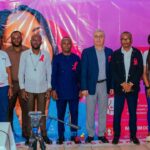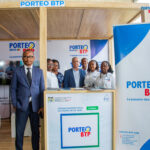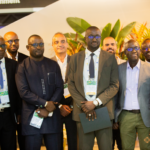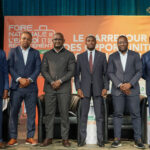

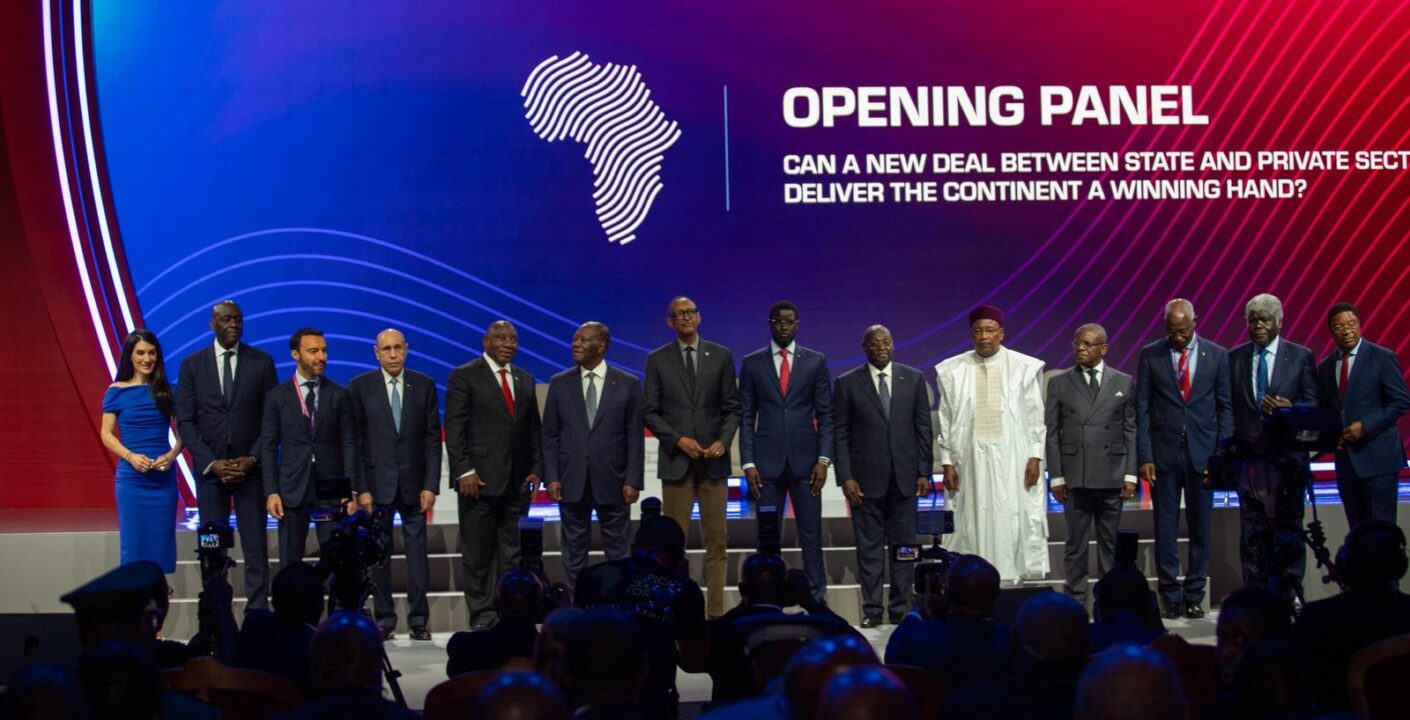
The Africa CEO Forum 2025 took place in Abidjan on 12 and 13 May 2025, bringing together a record number of economic and political leaders from across the continent. More than 2,000 business leaders, investors and public decision-makers from 75 countries gathered around an ambitious theme: “Can a public-private New Deal reshuffle the deck in Africa’s favour?”.
The theme reflects a desire to strengthen collaboration between governments and the private sector in order to drive Africa’s sustainable development.
The forum took place against a difficult global backdrop, marked by rising protectionism, declining development aid and high borrowing costs. Faced with these challenges, African leaders see the private sector as a key engine for innovating and financing the continent’s growth. “The current transactional context requires Africa to finally remove the obstacles still holding back its private sector… the private sector is the continent’s greatest economic asset”, said Amir Ben Yahmed, President of the Africa CEO Forum, stressing the need for this “New Deal” to unleash private initiative.
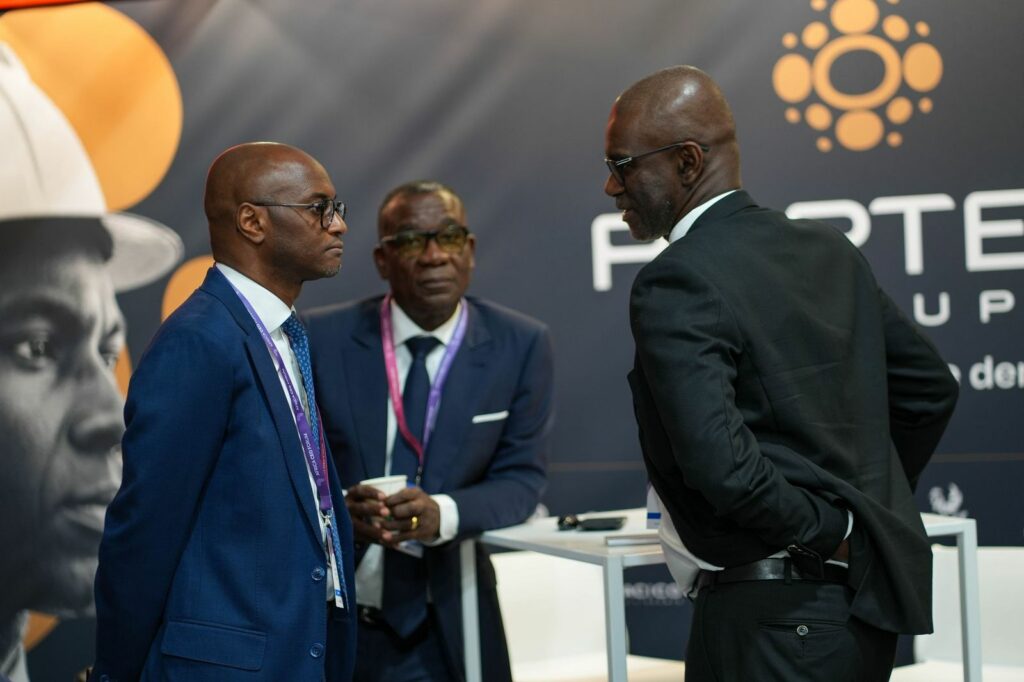
PORTEO, with its 100% African capital and integrated supply chain, took part in these discussions with the aim of asserting its role as a pan-African champion. Our presence at this event follows on from the Spring Meetings in Washington, where we argued that Africa must control its strategic infrastructure in order to develop independently and sustainably.
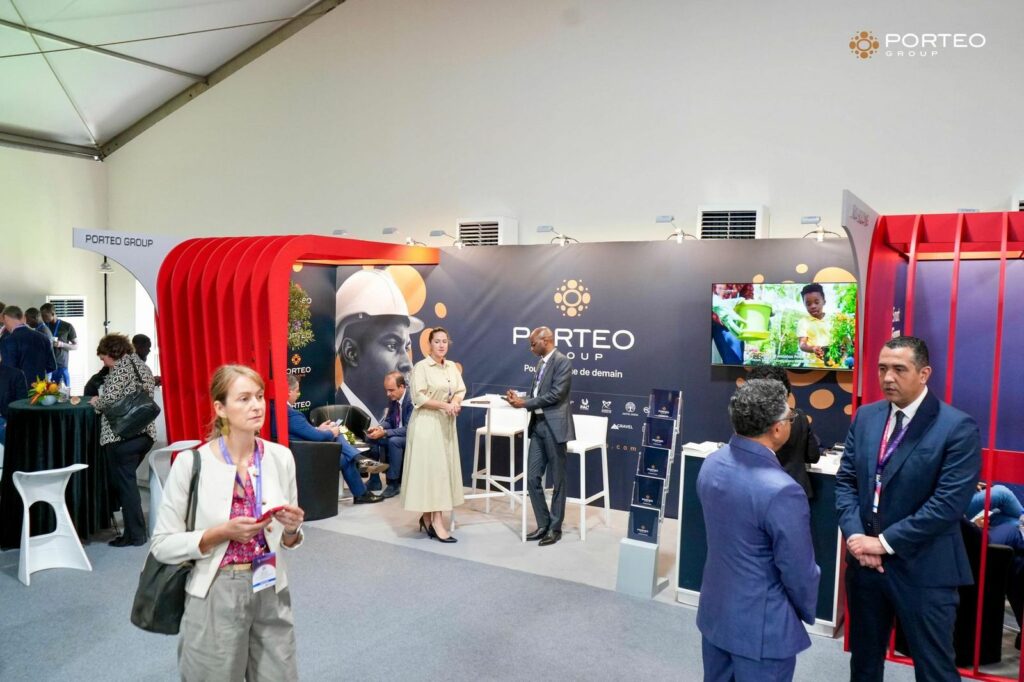
Main themes of discussion
Several major trends emerged from the high-level debates and panels over the two days.
First, a stronger public-private partnership (PPP) was at the heart of the discussions. Many speakers stressed the urgent need to rethink the relationship between the State and the private sector in order to accelerate Africa’s economic transformation.
The heads of state in attendance, including Alassane Ouattara (Côte d’Ivoire), Cyril Ramaphosa (South Africa), Paul Kagame (Rwanda) and Mohamed Ould Ghazouani (Mauritania), unanimously called for better synergy.
“Governments and the private sector must work together. Infrastructure projects matter to both the public and the private sector… We can make sure the two sectors work together”, said South African President Cyril Ramaphosa, highlighting the key role of joint investment.
His Rwandan counterpart Paul Kagame agreed, while calling on African countries to be more self-reliant: “The continent is making progress. But we can do more… We just need to organise ourselves and prioritise what we can do for ourselves”. This determination to take charge of the continent’s economic destiny was felt throughout the forum.
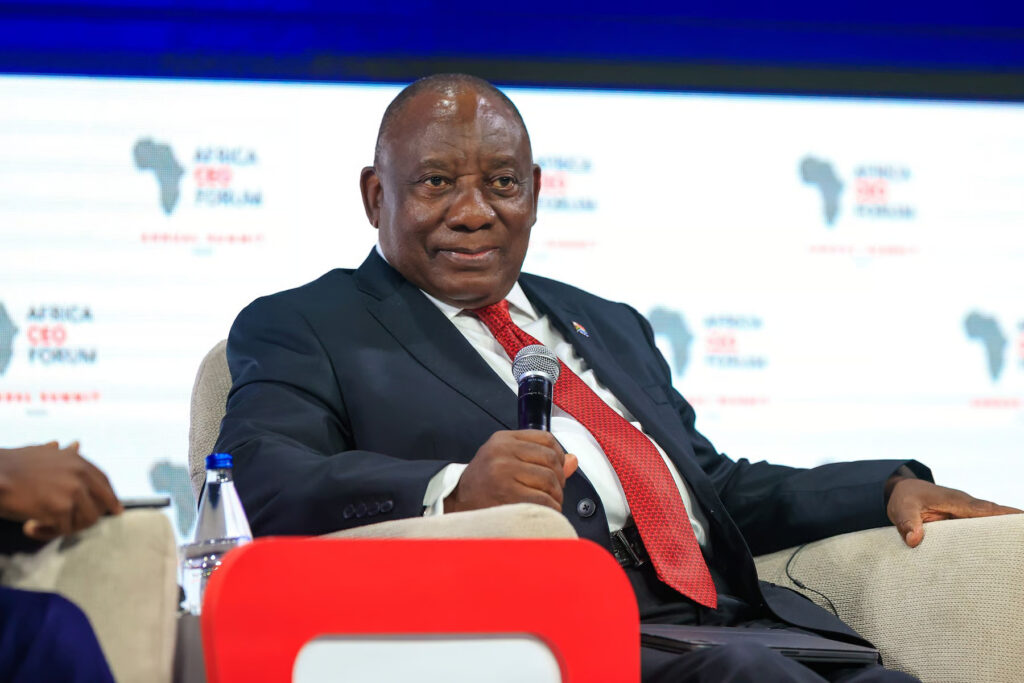
Next, governance and public policy were identified as critical levers.
Improving transparency, administrative efficiency and regulatory stability is seen as essential to creating a favourable business climate. Officials stressed that effective, strategic states enable the private sector to go further. For example, Christel Heydemann, CEO of Orange, argued that more efficient governments, with ambitious policies aimed at creating national champions, will give African companies the means to grow further.
Emphasis was also placed on the need for regional economic integration. Accelerating the AfCFTA (African Continental Free Trade Area) is seen as the third pillar of this new deal. Deeper trade integration should boost intra-African trade, expand markets and attract investors. “The AfCFTA got off to a good start, but unfortunately the results are still weak”, said Ivorian President Alassane Ouattara, calling for redoubled efforts to make it an engine of growth.
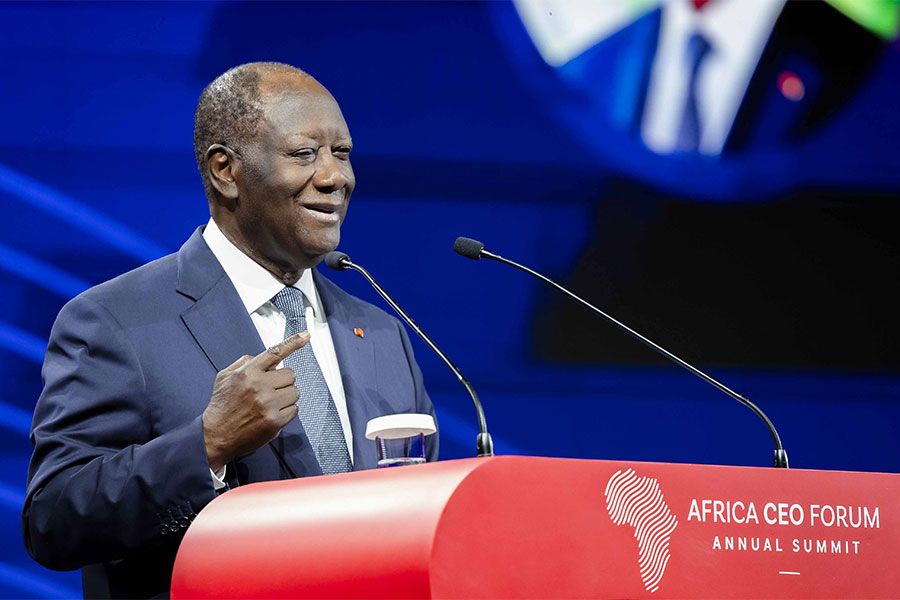
The forum also opened up many avenues for innovation. Discussions highlighted emerging topics such as the digitalisation of governance through AI, supply chain resilience and the new roles of local financing at a time of declining foreign aid.
In a dedicated round table, several leaders discussed artificial intelligence applied to the public sector, as a way to improve state services and decision-making. Others stressed the importance of innovative financial tools (fintech, local private equity) to offset the decline in international financing.
Finally, sustainability ran through many panels: a discussion on the theme “leaders join forces for sustainable development” highlighted that tomorrow’s economic resilience will rest on agricultural self-sufficiency, financial innovation, faster digitalisation and industrial development, in a formula taken up by participants.
The guiding idea is that only the private sector, through its capacity to invest and innovate, can activate these structural levers.
Landmark pacts and commitments
Beyond the debates, the 2025 edition was marked by several announcements of agreements and concrete commitments that illustrate this public-private rapprochement.
From the opening ceremony, President Ouattara called for a stronger partnership to tackle today’s challenges. “To increase the share of African economies in global value creation, we must work to strengthen intra-African trade by processing our products and raw materials”, he said, urging countries to move up value chains.
Following on from this message, several strategic agreements were signed on the sidelines of the forum. In Côte d’Ivoire, the Banque Nationale d’Investissement (BNI, a public institution) concluded a financing partnership with Groupe Duval, a private investor specialising in real estate and urban development, to mobilise resources for infrastructure and sustainable city projects.
Similarly, a South-South economic cooperation agreement was established between Guinea’s Private Investment Promotion Agency (APIP-Guinée) and the Rwanda Development Board, marking the start of an ambitious partnership between the two countries. These agreements illustrate the intra-African cooperation encouraged by the forum.
On the investment side, significant commitments were made. The International Finance Corporation (IFC), co-organiser of the forum, announced it would double its commitment in Africa, with USD 13 billion of investment planned from 2025 to provide large-scale support to the private sector and SMEs.
“Our strategic minerals must become levers of added value, not just export products”, insisted Makhtar Diop, Managing Director of IFC, stressing that local processing of resources is imperative to create jobs.
Employment was indeed treated as an absolute priority: Diop put the target at 1.2 billion jobs to be created worldwide and called for people to “act quickly and together”, framing employment as a development goal in its own right and a condition for social stability. He ended with a call for a renewed pact between states and businesses: “Africa has the resources, the ideas and the peace. All that is missing is the collective will to make this decade the decade of the continent’s economic transformation”, he insisted, urging stakeholders to join forces.
In this respect, as part of its commitment to upskilling local populations, PORTEO BTP is currently developing a training centre for construction trades in Côte d’Ivoire.
Construction of the premises is under way and the first activities are scheduled to start in 2026, with an initial recruitment phase. This free centre, open to the entire Ivorian population, aims to provide training in the various construction trades, helping to boost local employability and promote the transfer of skills.
At the CEO Forum, Gérard Kouassi underlined the importance of this project, stressing that training young talent is a fundamental pillar for supporting the sector’s development in Côte d’Ivoire.
Also worth noting: an unprecedented event took place on the sidelines of the forum, a debate between the main candidates for the presidency of the African Development Bank (AfDB), a few days before the vote at the end of May. This exchange of ideas, rare outside an institutional setting, showed the strategic importance attached to the AfDB and African leaders’ desire to influence its future direction. Although not a “commitment” in the traditional sense, the debate embodied the spirit of the forum: bringing decision-makers together around shared challenges and visions for the continent’s economic future.
Finally, the presence of unexpected figures such as Nigerian star Davido, the cultural guest of honour, showed that the forum also aims to promote a dynamic and positive image of Africa by bringing culture and business together.
At PORTEO, we firmly believe that building a prosperous and sovereign Africa requires promoting a culture of rigour and good governance at every level.
“It is time to put an end to fatalism and recognise our individual and collective worth. To build quality infrastructure, attract financing and see projects through, we must be demanding in our practices, our decisions and our commitments.”
Malick NDIAYE, Managing Director, PORTEO Group
Developing virtues and principles of rigour is fundamental to the success of African initiatives, because our actions always have consequences. At PORTEO, we are committed to making sure those consequences are positive, for the good of Africa and Africans. This vision guides our work every day and motivates us to keep investing in projects that drive growth and lasting transformation.
Key sectors affected by the “New Deal”
The discussions covered a wide range of topics, but certain strategic sectors stood out as priorities in this new public-private paradigm. Here is an overview of the areas most concerned and the specific trends in each:
Infrastructure and logistics integration
Infrastructure (roads, logistics corridors, ports, economic zones) was presented as the foundation of future development. There was a consensus that closing the infrastructure gap will boost intra-African trade and attract more investment.
Infrastructure projects are also a textbook case of public-private cooperation: they need State support (for planning, land and regulation) while mobilising private capital for financing and operation. “Infrastructure projects create jobs and wealth. We can make sure the two sectors work together”, said Cyril Ramaphosa, advocating a partnership approach.
In practice, this means PPPs for building cross-border roads and railways, developing modern ports or logistics hubs. For example, several speakers cited the need to accelerate projects such as the Abidjan-Lagos corridor, the modernisation of the ports of Lomé and Cotonou, or the creation of special economic zones connected to major routes.
The aim is to cut transport costs, improve competitiveness and encourage the free movement of goods, all goals in line with the AfCFTA. The forum also discussed the intra-African mobility of people: removing barriers, particularly visas between African countries, was mentioned as a way to make business easier. In short, infrastructure appears to be a sector where the “New Deal” will take shape through major collaborative projects, with a multiplier effect on jobs and the continent’s integration.
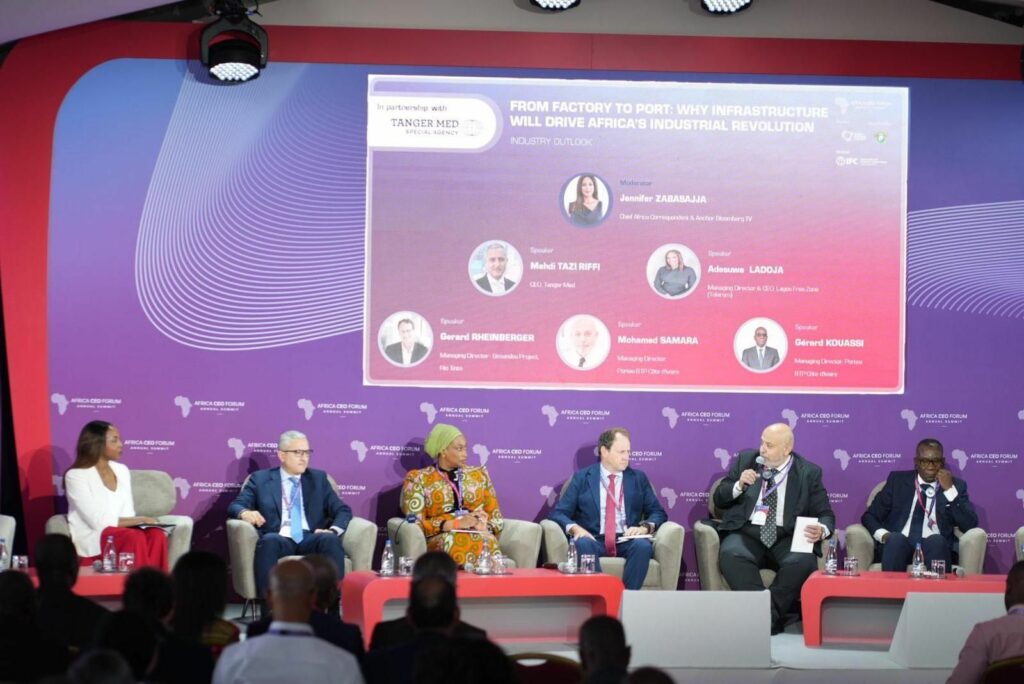
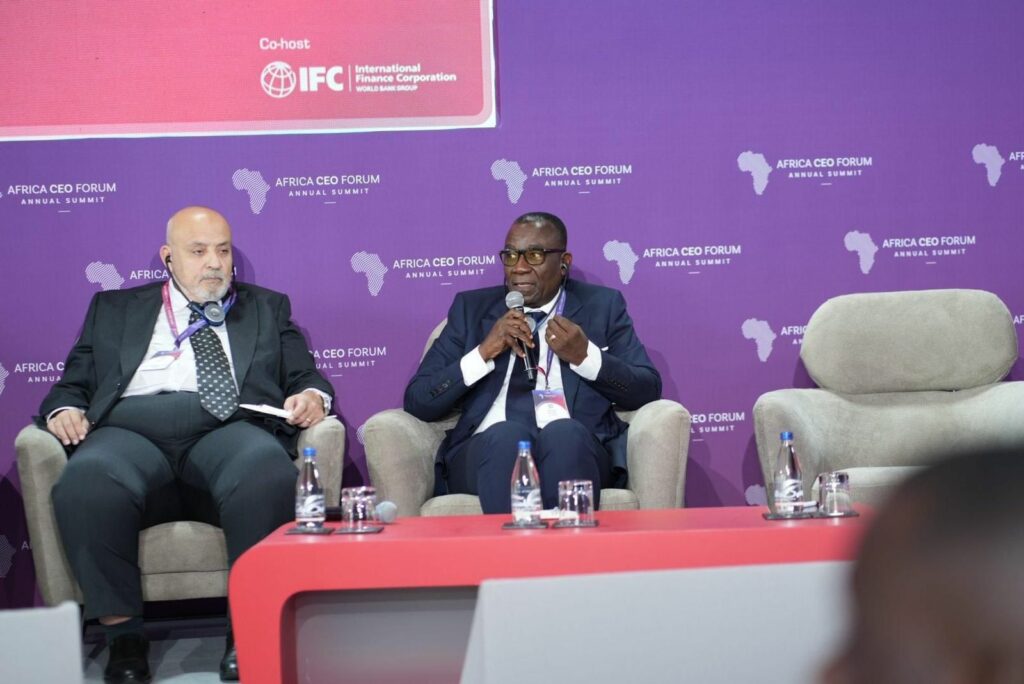
PORTEO’s strategic participation was showcased on the panel “From factory to port: why infrastructure is the key to Africa’s industrial revolution”, with a contribution from Gérard Kouassi, Managing Director of PORTEO BTP CI. He stressed the importance of developing modern infrastructure to open up regions, make it easier to move agricultural and industrial output, and create lasting jobs: “Developing logistics infrastructure in Africa means allowing regions to fully join the economic dynamic, adding value to local production and encouraging industrialisation. Every road, every port, every corridor is a promise of jobs and growth.”
In this regard, PORTEO is proud to have completed the modernisation of the road linking Abidjan to the port of San Pedro, a strategic route for exporting Ivorian cocoa. The project not only halved transport times but also boosted the local economy through the growth of logistics and trading activities.
Industrialisation and local added value
Africa’s industrial transformation was a recurring theme of the forum, closely linked to reducing dependence on raw commodities. Political and business leaders repeatedly stressed the urgency of limiting exports of unprocessed raw materials and dependence on imported finished goods, by encouraging the growth of local factories.
“Our strategic minerals must become levers of added value, not just export products”, insisted Makhtar Diop, pointing out that Africa’s mineral wealth must be used to develop industrial sectors on the continent. This applies as much to agricultural products (cocoa, coffee, cotton, cashew nuts, timber…) as to minerals (bauxite, iron, cobalt, oil).
Participants praised the industrial incentive policies introduced by some countries. Gabon, for example, banned exports of raw logs several years ago and developed wood processing zones (plywood, furniture), creating thousands of local jobs, a model often cited as an example. Similarly, Benin has invested in an industrial zone at Glo-Djigbé dedicated to processing its cashew nuts and cotton locally rather than shipping them raw abroad. These examples illustrate the drive to promote “Made in Africa” and local industrialisation.
At the forum, President Ouattara highlighted Côte d’Ivoire’s performance in this area, thanks to greater economic diversification and the emergence of national champions in agribusiness and manufacturing. He encouraged continued efforts to process raw materials locally in order to increase Africa’s share of the global value chain. The concept of value-added industries is therefore central: moving from supplier of commodities to producer of intermediate or finished goods. Several priority industrial sectors were highlighted: food processing (see the Agrifood section), the pharmaceutical industry (to secure access to medicines), construction materials manufacturing, and the growth of green industries (recycling, renewable energy equipment).
Commitments in line with this vision were also made. In Guinea, a historic USD 6.5 billion investment by a Rio Tinto-led consortium to develop the Simandou iron ore mines, together with the associated rail and port infrastructure, was announced during the forum. The investment is expected to generate nearly 19,000 direct and indirect jobs and includes local development plans, reflecting the importance of involving local communities in the industrialisation of the mining sector. Another example: Moroccan company OCP recently launched fertiliser production units in Côte d’Ivoire and Ethiopia to turn African phosphates into agricultural inputs locally, contributing to the continent’s agricultural self-sufficiency. All these initiatives point towards an Africa that finishes its products at home, creates skilled industrial jobs and reduces its dependence on imports.
As part of this drive for local industrial transformation, PORTEO has committed to building a fully integrated production hub in West Africa, aimed at reducing dependence on imported construction materials and generating added value locally.
Through its industrial entities, PORTEO operates a production chain it controls from upstream to downstream, a concrete expression of the “Made in Africa” spirit promoted by the forum’s leaders:
- GRAVEL, our aggregate crushing company, already operates quarries in Côte d’Ivoire and Benin, with an extension planned in Gabon. It supplies quality local materials to construction sites across the sub-region.
- TECHNIC BÉTON, with concrete plants in Côte d’Ivoire and Benin, will soon also set up in Gabon, ensuring quality, continuous production suited to complex infrastructure projects.
- BSTEEL, our unit for manufacturing steel structures and aluminium works, is already active in Côte d’Ivoire, Benin and Senegal, helping to develop local metal industries.
- BWOOD, specialising in joinery, is based in Côte d’Ivoire, with production capacity geared towards public and private projects of high architectural value.
- Finally, our BGLASS entity, recently established in Benin, rounds out our offering with the production and processing of glazing for buildings.
This industrial structure now represents more than 1,200 direct jobs and a strong socio-economic impact on local communities. It enables PORTEO to speed up project delivery, shorten logistics lead times and anchor its industrial strategy in a logic of regional sovereignty.
In line with the forum’s calls to industrialise the continent, our model aims to foster a strong, competitive local processing industry that creates lasting jobs.
Digital transformation and human capital
Digital technology and digital transformation featured prominently in the discussions, seen both as an economic sector to develop and as a cross-cutting driver of performance for all other sectors. Several workshops explored how artificial intelligence (AI), data and new technologies can help Africa leapfrog stages of development. One striking phrase was “AI for governance”: the idea that AI tools can improve public finance management, service delivery (health, education) and administrative transparency.
As a sign of the topic’s importance, President Ouattara himself urged young Africans to train in new technologies, innovation and artificial intelligence, convinced that “Africa has a lot of potential in this field”. Training local talent was therefore highlighted as a priority: skills in IT, engineering and science must be developed on a massive scale to build a workforce able to create and run tomorrow’s digital solutions.
On digital infrastructure, participants also called for investment in African data centres, high-speed internet networks and fibre optic roll-out to close the digital divide. It was noted, for example, that several countries are acquiring world-class data centres (Ghana and Nigeria recently opened Tier III data centres funded by private investors), which will reduce latency and secure locally hosted data.
Private sector representatives shared inspiring initiatives, such as the extension of submarine and terrestrial cable networks by consortia that include African operators, and the rise of start-ups in cloud and online services.
Taken together, these discussions reflect optimism about Africa’s ability to embrace the digital revolution. Leaders nevertheless remain aware of the challenges: improving access to electricity, lowering the cost of internet access and putting suitable regulations in place (data protection, digital taxation) to support this digital transformation.
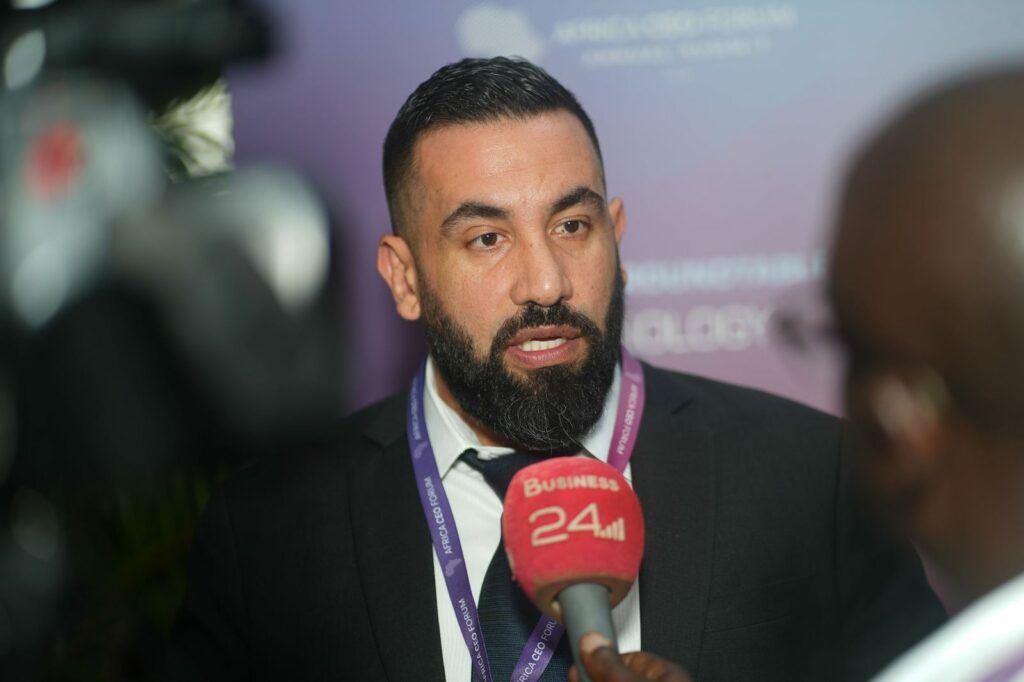
At the forum, PORTEO’s strategic participation stood out at the round table on digital transformation, with a contribution from Karim Benarras, Deputy Director of Porteo BTP. He stressed that digital sovereignty is a major issue for Africa and that training talent is essential to guarantee technological independence: “Digital sovereignty cannot be decreed, it has to be built. At PORTEO, we are investing not only in tomorrow’s infrastructure, but also in the transfer of skills to prepare young people for digital careers.”
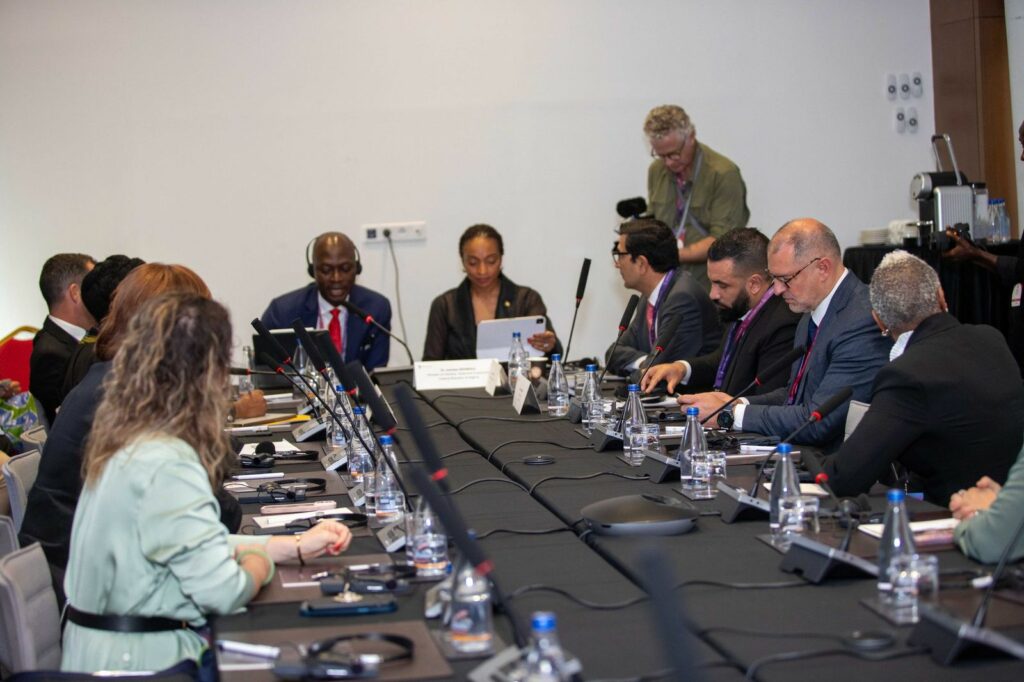
In this respect, PORTEO is involved in building two Tier III data centres, one in Côte d’Ivoire and the other in Gabon. The official foundation stone ceremonies have already taken place, marking the start of the strategic design phase before construction begins. These data centres will strengthen local storage capacity, reduce dependence on foreign infrastructure and ensure sovereign data management. At the same time, a training programme in partnership with Cybastion plans to prepare 1,000 young Gabonese for digital careers.
This is PORTEO’s first concrete step towards developing digital human capital as part of diversifying its activities into digital transformation.
Agrifood and food security
Food security and the development of local agribusiness were identified as an essential pillar of Africa’s economic resilience. Recent crises (import disruptions caused by the pandemic or the conflict in Ukraine) have been a reminder of the vulnerability of many African countries that depend on imported staple foods.
At the forum, the goal of food self-sufficiency was strongly emphasised, in line with the idea of processing products locally. “We must invest in agriculture… to create wealth and jobs”, said Guinean Prime Minister Amadou Oury Bah, summing up the need to “walk on both legs”, developing the primary and secondary sectors in parallel.
In practical terms, several leaders stressed the importance of improving agricultural value chains: increasing productivity in cereals, horticulture and livestock, while developing agribusiness (processing harvests into finished or semi-finished products). Encouraging examples were shared.
In Côte d’Ivoire, the world’s cocoa leader, private sector involvement has increased the share of cocoa processed locally (powder, cocoa butter) instead of exporting everything as raw beans, creating more value and jobs in the country. In Senegal, private companies invested in groundnut processing units (oil, paste, animal feed) following government measures limiting exports of raw groundnuts; this not only stabilised the local supply of oil but also positioned Senegal as an exporter of finished products to the sub-region.
Another crucial aspect is agricultural storage and logistics: building silos, cold stores and better distribution networks, often in partnership with specialised companies, was discussed as a way to reduce post-harvest losses and get products from field to market in better condition.
In short, the forum confirmed the idea that African agriculture should no longer be limited to subsistence or raw exports, but should evolve into a truly integrated agro-industrial sector, backed by private investment across the value chain, to guarantee the continent’s food security.
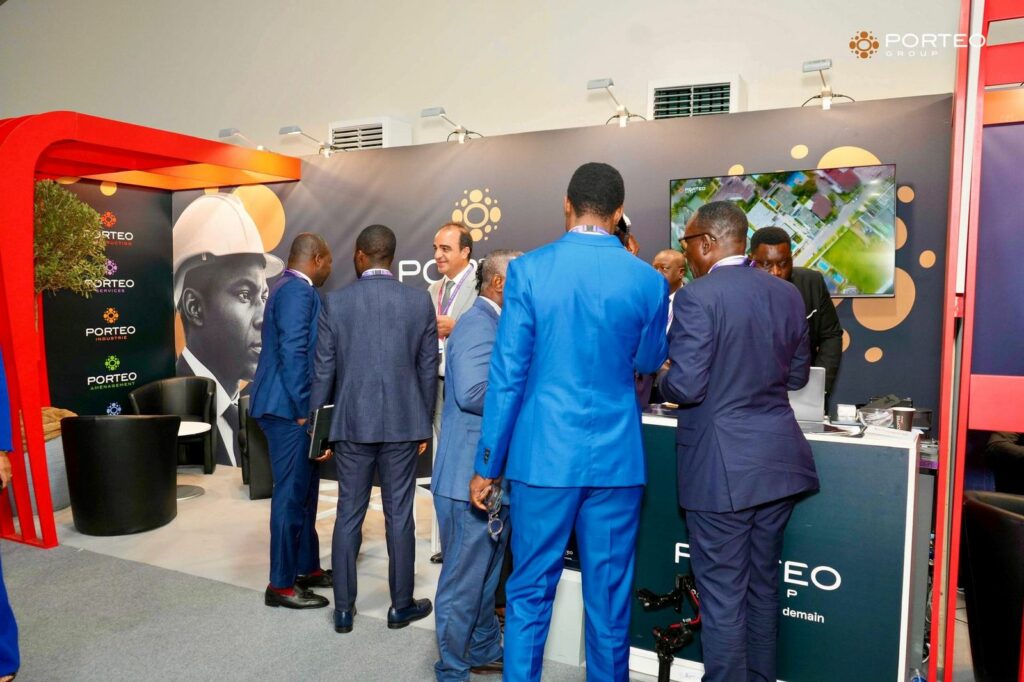
As part of this continental drive for food sovereignty, PORTEO is launching the “PAO – Poulet Afrique de l’Ouest” (West Africa Chicken) project in Togo, an agro-industrial initiative designed to build a 100% local, integrated poultry sector, from production to marketing.
Currently in the advanced design phase, the project will move into construction in the second half of 2025. It will include:
- An industrial hatchery to ensure self-sufficiency in day-old chicks,
- A modern slaughterhouse meeting international standards for processing and packaging,
- An animal feed plant to secure the upstream part of the chain,
- And a structured network of farms for chicken production.
At full capacity, PAO aims to produce 25 million chickens a year, meeting local demand for animal protein while reducing dependence on imported frozen poultry.
This project fully embodies the vision championed at the CEO Forum: adding value to national agricultural resources, creating skilled rural jobs and building a competitive African agrifood industry. PAO is part of a long-term strategy for sustainable food security, led by an African private company fully committed to the development of territories.
Energy and the energy transition
Energy was another cross-cutting area addressed strategically, both to meet current needs and with the climate transition in mind. Access to reliable and affordable energy is a prerequisite for the industrialisation, digitalisation and food processing discussed above. On this point, participants agreed that private investment will be essential to complement state action and close Africa’s energy gap.
The Vice-President of Mauritania, referring to a vast national energy programme, called on the private sector to play its part in energy projects, citing a Mauritanian project requiring USD 1.25 billion in investment. This call illustrates the growing role of independent power producers (IPPs) and innovative financing (green investment funds, partnerships with oil majors diversifying into renewables) in developing generation capacity.
Two priorities emerged: on the one hand, accelerating the sustainable exploitation of existing fossil resources to generate local revenue and electricity (for example natural gas in Senegal, Mauritania and Tanzania, where gas projects involve international and national private companies); on the other, investing heavily in renewable energy (solar, wind, hydro, biomass) to prepare for a low-carbon future.
Inspiring success stories were cited, such as the Blitta solar park in Togo, one of the largest solar plants in West Africa, built as a public-private partnership with an independent company (AMEA Power) and supplying hundreds of thousands of households. In Senegal, the Bokhol and Diass solar plants, developed by foreign IPPs in collaboration with SENELEC (the national electricity company), now supply clean, low-cost energy, demonstrating the viability of the model. In Côte d’Ivoire, the Ayébo biomass power plant project (led by an Ivorian private company with public support) will convert palm waste into electricity, solving an environmental problem while producing energy.
The forum also emphasised the need for regional energy infrastructure: interconnected power grids, gas pipelines and terminals, for a pooled approach. These costly and complex projects will have to rely on public-private consortia and financing from multilateral banks.
In short, the energy New Deal outlined in Abidjan rests on a twofold movement: mobilising private investment to electrify Africa now (a mix of conventional and renewable energy, grid extension, innovative off-grid solutions), while gradually steering this financial potential towards the green transition. All with a strong focus on local value creation (local content in projects, partnerships with African companies) so that Africa takes full advantage of its natural resources and abundant sunshine.
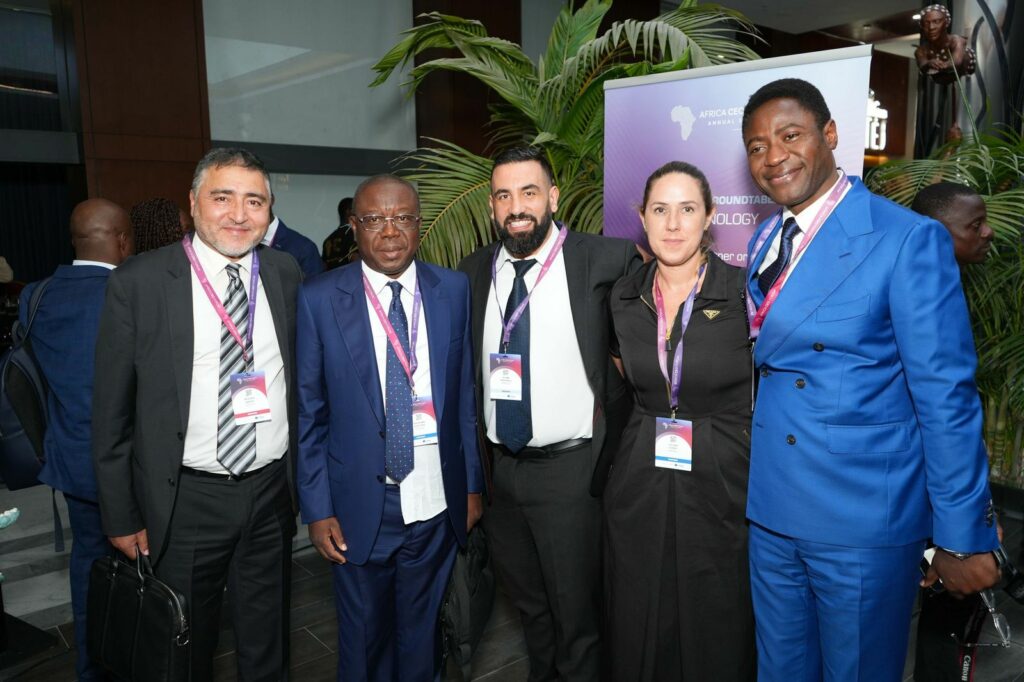
With rising costs and growing environmental pressure, PORTEO BTP has decided to take concrete steps to optimise energy savings across all its sites. This approach has become a key strategic focus of our responsible management policy.
Concrete actions for energy efficiency: we have introduced a precise hourly consumption scale for each machine, adapted to the type of operation (demolition, BAH, extraction, earthworks on hard or loose ground) and to conditions on the ground. The goal is clear: eliminate uncontrolled consumption by establishing strict discipline in the energy management of machinery.
Recycling demolition materials: in Benin, for example, all materials from the demolition of concrete products are reused directly on site. Once crushed, these materials are turned into recycled concrete that replaces unbound graded aggregate (GNT). This choice has several advantages:
- Lower fuel consumption by eliminating long-distance transport (up to 180 km).
- A smaller overall carbon footprint for the site.
- Reduced need for natural aggregates.
Smart machine management: still with the aim of improving energy efficiency, we are preparing a close collaboration with machine manufacturers to monitor usage patterns in real time, detect dangerous or energy-intensive practices and promote eco-driving.
Our next priority is streamlining energy use in our site facilities (generators, lighting, water and electricity consumption). We are identifying the most energy-intensive items and rolling out sustainable solutions.
At PORTEO BTP, saving energy is not just a slogan but a concrete, measurable approach built into our daily work. Fully in line with the trends discussed at the CEO Forum, this responsible approach not only reduces our environmental impact but also strengthens our position as a company committed to more sustainable and environmentally friendly construction sites.
Conclusion
Ultimately, the economic balance of power in Africa is shifting, and the Africa CEO Forum 2025 was a privileged witness to this change.
African states are showing an unprecedented willingness to work closely with the private sector to meet the decade’s major challenges: closing infrastructure gaps, industrialising economies, ensuring food security, training young people for the jobs of the future and achieving the energy transition.
This “new pact” is not just a slogan: it comes with concrete decisions, financing and initiatives that are beginning to transform the continent’s economic landscape. The Abidjan forum showed determined leaders, a confident African private sector and international partners ready to support this movement. While many obstacles remain (occasional political instability, budget constraints, fierce global competition), the overall mood was one of pragmatic optimism: everyone recognises the scale of the work ahead, but all see Africa as a unique land of opportunity where a new, more autonomous and more inclusive growth model can be invented.
PORTEO’s participation in the CEO Forum 2025 was an opportunity to share our vision of a sovereign and connected Africa. By showcasing our infrastructure, digital transformation and training projects, we affirmed our role as a strategic partner for pan-African development. Through our initiatives, we show that Africa can become a global player by building its own infrastructure and adding value to its local resources.
The Africa CEO Forum 2025 closed on a note of hope and a challenge: “It’s time to strike a new deal”. The time has come for Africa to play a new tune by intelligently combining public authorities and the private sector. The trends that emerged in Abidjan now serve as a roadmap for the continent’s decision-makers to reshuffle the deck in Africa’s favour, together.