
A crucial geopolitical moment for Africa
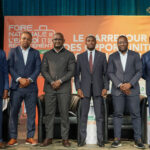
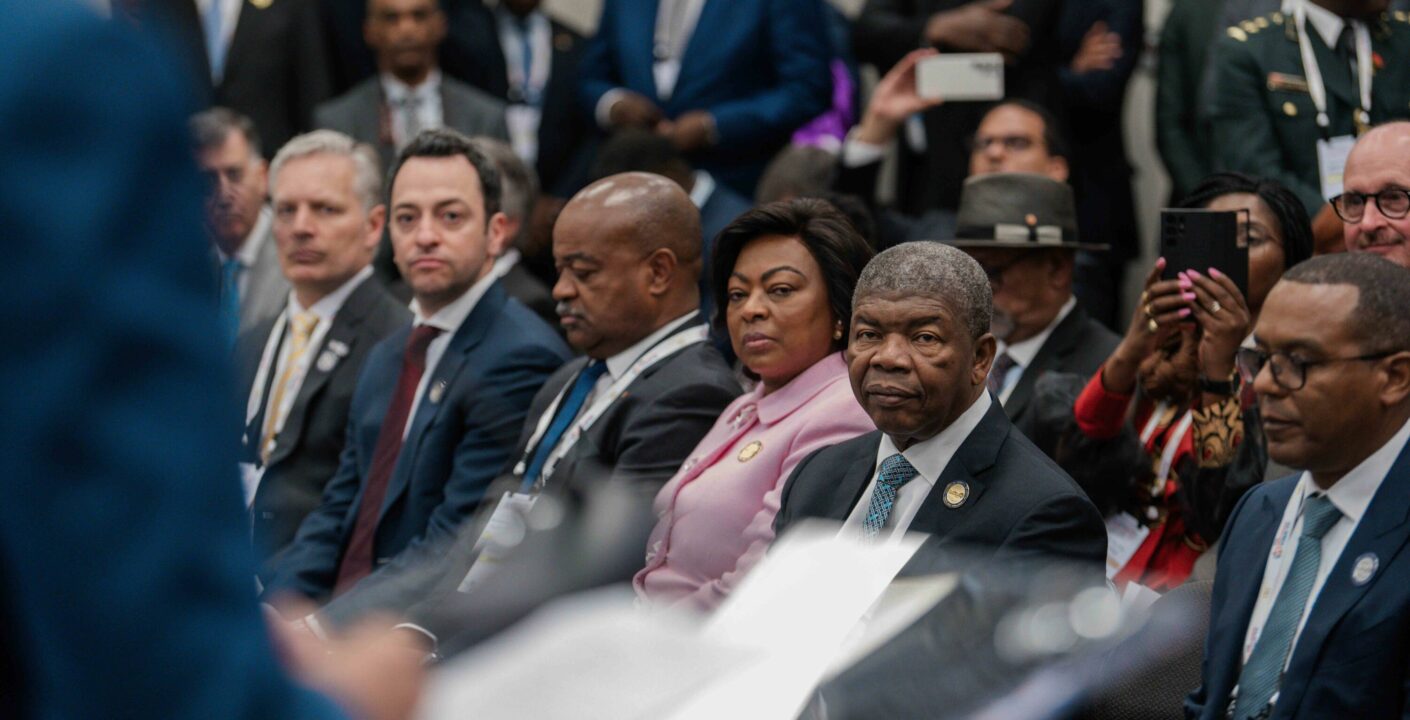
As global geopolitical tensions reshuffle the economic deck, Africa is positioning itself as a land of opportunity, but also of responsibility. The U.S.–Africa Business Summit 2025, held in Luanda, highlighted shared ambitions: financing, structuring and securing the infrastructure essential to the continent’s sovereignty.
According to figures shared during the session “Bridging the Funding Divide”, the continent faces an infrastructure financing gap of USD 130 to 170 billion a year, with only 40 to 60% of this need currently being deployed. A call was made to mobilise the USD 4 trillion of African institutional capital that remains underused, while supporting mechanisms such as the Pan-African Infrastructure Guarantee Fund, designed to reduce political risk and increase investor appetite.
Angola, Morocco, Kenya: models of state leadership and regional transformation
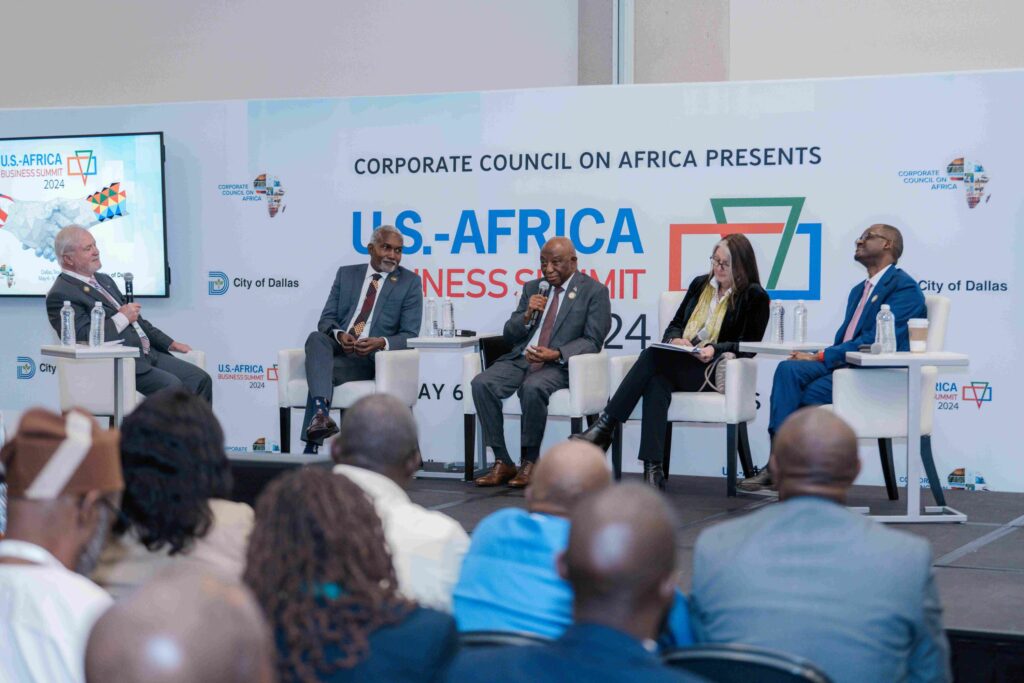
Angola used the summit to outline its 25-year investment master plan (5% of annual GDP dedicated to transport), and concrete projects such as the Lobito Corridor (USD 6 billion) were cited as structural drivers.
Morocco also illustrated its trajectory with ambitious targets: 52% renewable energy by 2030 and more than USD 100 billion for infrastructure linked to the 2030 World Cup. Proof that infrastructure is now also a matter of soft power, economic attractiveness and continental identity.
West Africa answers the call: PORTEO, a model of vertical integration
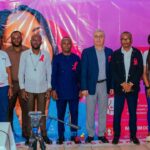
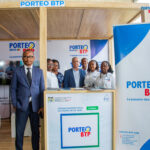
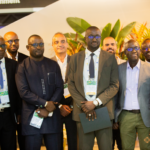
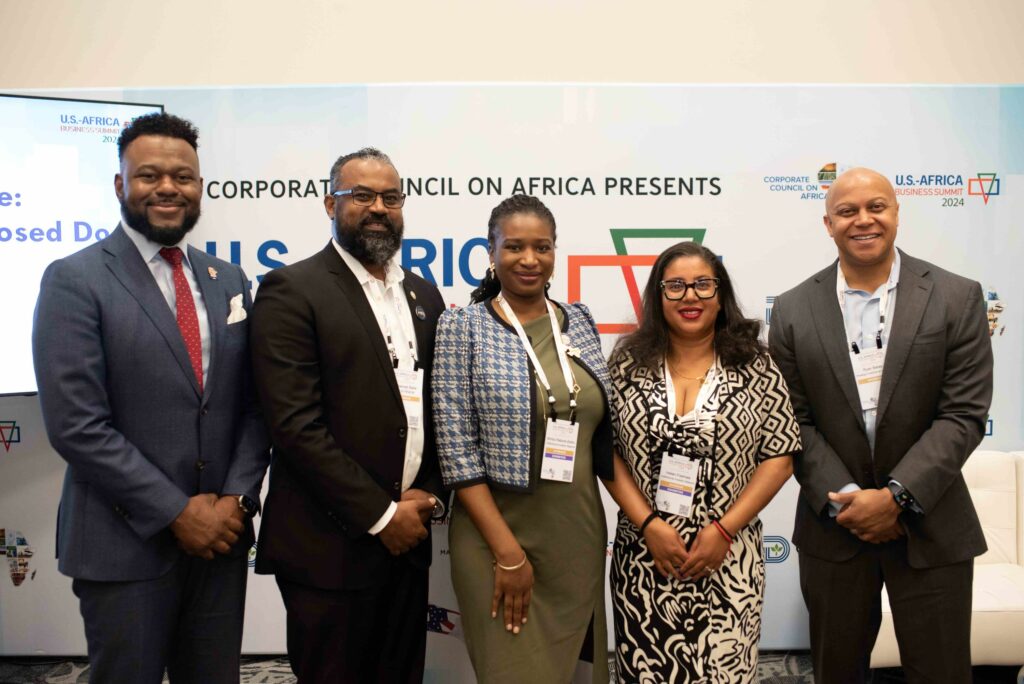
In this context, the PORTEO delegation, led by Hassan Dakhlallah, was welcomed as one of the symbols of a new model of African players: local, integrated, pan-African and reliable developers.
PORTEO positioned itself as:
- an integrator of critical infrastructure: roads, logistics hubs, data centres, agro-industrial sites;
- a responsible operator that delivers its projects on time, with social and industrial impact;
- a sovereign player: rooted in West Africa, but with a continental vision.
During the summit, a strategic meeting was held with OMATAPALO, a leading Angolan group in construction, agribusiness and energy. The discussion identified concrete synergies in building locally rooted industrial ecosystems, upskilling local human resources and integrating regional circular value chains.
The real issue: who delivers the projects?
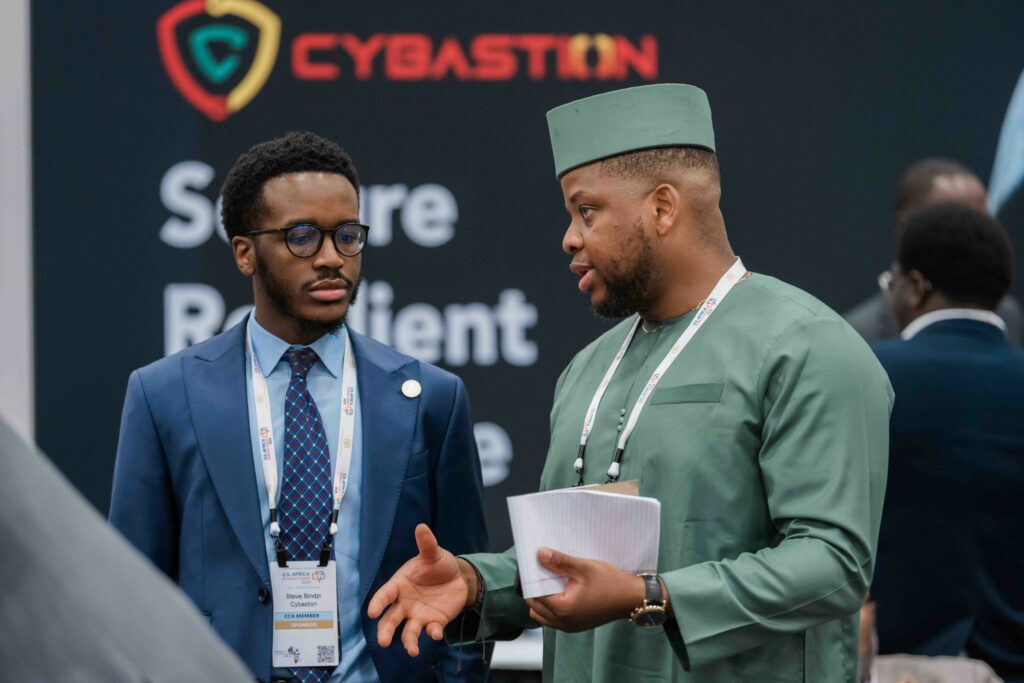
One strong message emerged throughout the panels: financing may exist, but without solid, local and experienced developers, nothing moves forward. The sector still lacks players capable of structuring, securing and executing at scale. PORTEO, like ARISE and OMATAPALO, is one of these essential links that turn intention into action.
During the conference, voices such as Pedro Santos (OMATAPALO) pointed out that in Africa, developers often start construction before financing has been finalised, which illustrates both the dynamism and the risk-taking involved.
Outlook: unlock, deliver, transform
PORTEO comes away from this summit stronger, with three convictions:
- The continent is ready. The financing, the political will and the projects are there. What is still missing are the bridges between them.
- We are those bridges. As an integrated developer, PORTEO has a strategic role to play in delivering complex projects.
- Our expansion continues. From agriculture to data, from roads to urban services, every project is an opportunity for sovereignty.
Luanda 2025 was not just another summit. It was a moment of alignment between a continent’s needs, international financial tools and the players capable of turning them into reality. PORTEO held its own. And the future calls on us to do more, together.